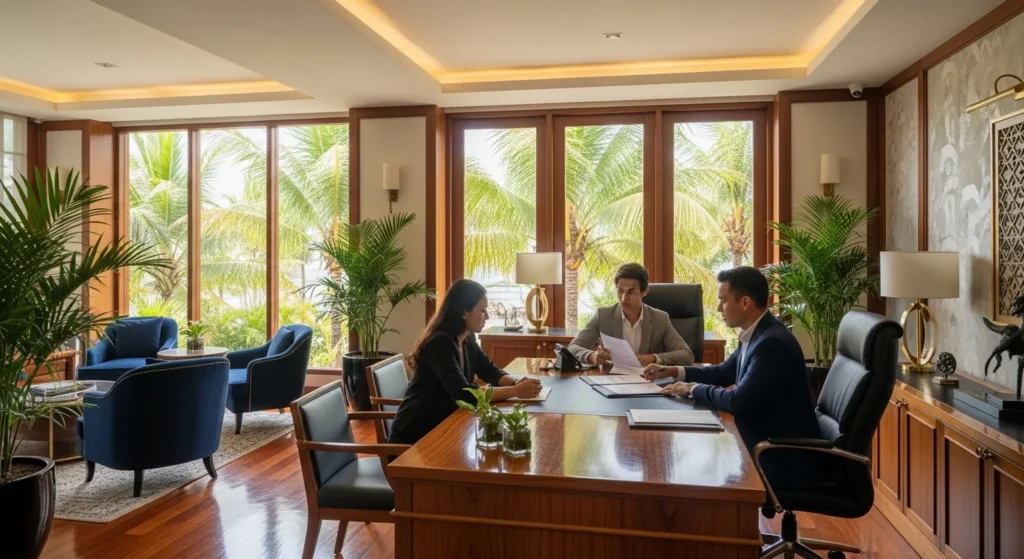
uuud healing e33g visa comuining wellness work
Ubud Healing + E33G Visa — Combining Wellness + Work Ubud. The very name conjures images of emerald rice paddies, […]
Ubud Healing + E33G Visa — Combining Wellness + Work
Ubud. The very name conjures images of emerald rice paddies, the scent of frangipani, and a deep, resonant hum of spiritual seekers. For years, this heartland of Bali has drawn a global tribe – healers, yoga teachers, artists, and digital nomads – all seeking to tap into its potent energy while pursuing their craft. The dream? To blend the restorative power of Ubud with the productivity of remote work. But in 2026, that dream requires a new kind of navigation: a legal one.
The days of slipping under the radar, running a thriving online business or even leading donation-based workshops on a tourist visa, are firmly in the rearview mirror. Bali’s immigration landscape has shifted, and for those committed to living and working authentically in paradise, understanding the E33G Remote Worker Visa isn’t just an option—it’s essential.
The 2026 Reality: Navigating Bali’s Stricter Shores
The island of the gods is evolving, and with its growing popularity, Indonesian immigration authorities are implementing significantly stricter enforcement across Bali – particularly in hotspots like Ubud, Canggu, and Seminyak. The message from officials like Direktur Jenderal Imigrasi, Silmy Karim, has been clear: tourist visas are for tourism, not for work. We’ve seen this reflected in increased scrutiny at borders and on the ground.
Authorities are specifically targeting activities previously considered “grey areas” for foreign nationals. This includes monetized content creation, remote work for overseas clients or employers, paid or “donation-based” classes and workshops, and even volunteering that effectively replaces local paid roles, such as teaching or retreat facilitation. As MICE Travel Advisor summarized in its 2026 report on Indonesian immigration enforcement in Bali, tourist visas (Visa on Arrival / VOA, and C1 tourist visa) are unequivocally stated as being for leisure tourism only – sightseeing, beach visits, yoga as a guest, or retreats as a participant. Any form of income generation, even if sourced entirely from outside Indonesia, now falls outside these visa categories [1].
The penalties for misuse are not to be taken lightly. We’ve seen cases where individuals faced deportation, substantial fines, and even multi-year bans from re-entering Indonesia [1]. For the dedicated healers, yoga teachers, coaches, therapists, and digital workers who cherish Ubud and wish to contribute positively to its ecosystem, this crackdown underscores a critical need for legal compliance. This is precisely where the E33G Remote Worker Visa enters the conversation, offering a legitimate pathway to combine wellness with work.
Key Insights from Our Practice: Decoding the E33G Visa
At E33Gbali, we’ve been on the front lines, helping hundreds of clients navigate this new terrain. Last month alone, we assisted dozens of wellness professionals, from energy healers to online therapists, in securing their legal status. Our experience shows that the E33G “Remote Worker / Digital Nomad” visa is the game-changer for anyone wanting to work remotely while residing in Indonesia. So, what is it, in plain English?
The E33G visa is specifically designed to allow you to live in Indonesia—whether in the spiritual heartland of Ubud, the bustling beaches of Canggu, or the serene shores of Sanur—while working remotely for non-Indonesian employers or clients. This is the crucial distinction: your income must originate from outside the country. It’s not for those looking to work for Indonesian companies or directly serve the local market with paid services.
Based on 2025–2026 program summaries [2], here’s what you need to know:
- Category: It’s officially an E33G “Remote Worker / Digital Nomad” visa.
- Who it’s for: You must either be employed by a company outside Indonesia, or be a freelancer/consultant whose clients are all based outside Indonesia.
- Initial Validity: The visa is typically valid for up to 12 months, providing a substantial period of legal residency and work permission.
- Extensions: A significant benefit is that the E33G is often extendable, allowing for longer-term stays without the need to leave the country (though policies should always be checked at the time of application) [2].
The main benefit, and frankly, the peace of mind it offers, is that you are explicitly allowed to perform remote work while living in Indonesia. This means you can run your online healing practice, teach virtual yoga classes, or manage your digital marketing agency from a tranquil Ubud villa, all completely above board. To dive deeper into the specifics, check out what the E33G visa entails.
Step-by-Step Practical Guide to Your Ubud Work-Life Balance
Embarking on the E33G visa journey might seem daunting, but with the right guidance, it’s a straightforward path to legal residency. Here’s a simplified breakdown of the process we guide our clients through:
- Initial Consultation & Eligibility Check: The first step is to ensure you meet the fundamental criteria. Do you work remotely for non-Indonesian entities? Do you have a valid passport with at least 18 months of validity remaining? We’ll assess your unique situation.
- Document Gathering: This phase involves collecting essential paperwork. Expect to provide proof of remote income (e.g., employment contracts, client agreements, bank statements), a clean criminal record, and a strong financial standing to support yourself during your stay. For a comprehensive list, visit our E33G visa requirements page.
- Application Submission: Once all documents are prepared and verified, we submit your application to the Indonesian immigration authorities. This typically happens online through the official portal. Our team meticulously reviews every detail to minimize delays.
- Approval & Visa Issuance: Upon approval, the visa is issued, often electronically. You’ll then be able to enter Indonesia under the E33G category.
- Arrival & Reporting: After arriving in Bali (whether at Denpasar’s Ngurah Rai International Airport or another entry point), there may be a brief reporting requirement at the local immigration office to finalize your stay permit. This ensures Kepala Kantor Imigrasi Denpasar has a record of your legal presence.
The process does involve fees, which cover government charges and our professional services. Transparency is key, and we ensure you understand all associated E33G visa costs and fees upfront, so there are no surprises on your journey to combining wellness and work in Ubud.
Real Case Example: Sarah’s Journey to Legal Healing
Consider Sarah, an Australian holistic nutritionist and online coach. For years, she’d been drawn to Ubud’s healing vibrations, dreaming of a life where she could run her global practice while immersing herself in local ceremonies and the tranquil pace of Balinese life. In early 2025, she arrived on a VOA, confident her remote income made her exempt from “work” restrictions. However, with the heightened enforcement, she quickly realized her situation was precarious.
During a yoga retreat, she heard whispers of friends facing issues and decided to act proactively. Sarah reached out to us. We assessed her situation: her clients were primarily in Australia and Europe, and all her income was received in her Australian bank account. She was a perfect candidate for the E33G visa.
Working closely with our team, Sarah gathered her employment contract (as she was also a part-time remote employee), bank statements showing consistent income, and her passport. We streamlined her application, addressing potential roadblocks before they arose. Within weeks, her E33G visa was approved. Sarah is now legally residing in Ubud, running her thriving online nutrition practice, attending local spiritual workshops, and volunteering at an animal rescue center without fear of deportation. The E33G didn’t just give her a visa; it gave her peace of mind and the freedom to truly integrate into the Ubud community, both professionally and personally.
What’s Next & How to Get Help
The vision of a life harmoniously blending Ubud’s profound healing energies with your global work aspirations is more attainable than ever, provided you choose the legal pathway. The E33G visa is not just a document; it’s your key to sustainable, worry-free living and working in Bali. It’s about respecting local regulations while fulfilling your personal and professional calling in one of the world’s most enchanting destinations.
Don’t let immigration uncertainty overshadow your Ubud dream. If you’re a healer, a digital creative, a remote professional, or anyone earning income from outside Indonesia, we’re here to guide you through every step of the E33G visa process. Let us handle the complexities so you can focus on your craft and immerse yourself in the magic of Bali.
Ready to secure your legal status in paradise? Connect with us today:
- WhatsApp: https://wa.me/6281128590000
- Email: [email protected]
By E33Gbali Visa Team
[1] MICE Travel Advisor summary of Indonesian immigration enforcement in Bali, 2026.
[2] Indonesian Immigration Program Summaries, 2025-2026.